




![]()
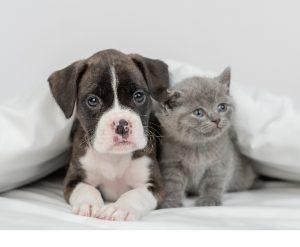
First Aid For Cats
It is often said that accidents in and around the home account for most of the injuries suffered by humans. This also holds true for our pets. Managing emergencies is a rare but critical job pet parents are required to handle. […]

![]()
How To Tackle Pet Transport During Holidays
Here are a few tips and tricks that will make it easier for your pet to come along for the ride when it’s time for a holiday. […]
![]()
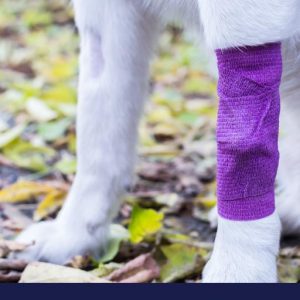
Basic First Aid For Dogs Part 2: First Aid For Different Situations
Basic First Aid for Dogs for different situations. […]
![]()
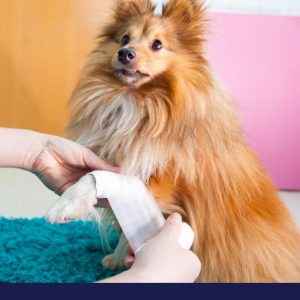
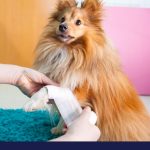
Basic First Aid For Dogs Part 1: First Aid Kit & Emergencies Overview
Learn how to take care of your pet in case of an injury, accident or emergency. […]
![]()
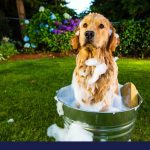
A Handy Overview Of Dog Shampoos
That puppy smell doesn’t last forever and even puppies need baths sooner or later. So do adolescent, adult and senior dogs. […]
![]()
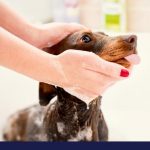
How To Make Your Own Dog Shampoo
Making your own dog shampoo is easier than you might think. In fact, you may even have most of the ingredients already! […]

![]()
Checklist: Moving House With A Dog
Download our Travel Checklist for dogs […]

![]()
Checklist: Moving House With A Cat
Download our Travel Checklist for cats. […]
![]()
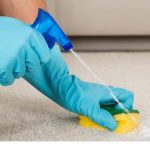
Removing Urine Smells
Struggling with cat or dog urine stains and odours? We feel for you! Luckily we’ve found some tips and tricks to help you deal with fresh or older stains and ‘stinks’. […]

TOOLKITS & GUIDES
TRENDING
SIGN UP and Start Receiving
Our Monthly Newsletter,
The Chronicles
First Aid For Cats
Typical Cat Emergencies that require First Aid
It is often said that accidents in and around the home account for most of the injuries suffered by humans. This also holds true for our pets. Managing emergencies is a rare but critical job pet parents are required to handle.
Bite wounds: Cats can sustain bite wounds from fights with other cats or encounters with wildlife. These wounds can become infected and will frequently require veterinary attention.
Fractures: Cats can experience fractures due to falls, accidents, or trauma. Fractures may be visible e.g., affecting the limbs, or hidden e.g., the skull.
Abscesses: Abscesses are often the result of infected wounds, particularly from cat fights. These painful pockets of pus may be invisible till they burst. In such cases, immediate disinfection is required.
Lacerations: Cats can suffer lacerations from various sources, such as sharp objects or accidents. Deep lacerations may need sutures or other wound care interventions but should be treated immediately at home.
Eye injuries: Cats are susceptible to eye injuries, including corneal ulcers, scratches, or foreign object penetration.
Allergic Reactions: Certain substances, including certain foods, chemicals, or insect bites/stings, can trigger allergic reactions in pets, ranging from mild to severe.
Burns and Scalds: Pets may come into contact with hot surfaces, open flames, hot liquids, or overheated appliances, leading to burns or scalds.
Electrical Injuries: Pets may chew on electrical cords, leading to electric shocks or burns.
Sprains and strains: Cats can strain or sprain their muscles or joints, especially from jumping or sudden movements. Rest, pain management, and sometimes physical therapy may be necessary.
Tail injuries: Cats can suffer tail injuries, such as fractures, dislocations, or trauma from accidents. Tail injuries may cause pain, nerve damage, or loss of tail function.
Poisonings: Cats may accidentally ingest toxic substances, such as medications, household chemicals, or poisonous plants. Poisoning can have severe consequences and requires immediate veterinary care.
Road traffic accidents: Sadly, cats can be injured in road traffic accidents. These injuries can range from minor abrasions to severe fractures, internal injuries, or head trauma.
It’s important to note that if your cat experiences any injury or shows signs of illness or distress, it’s best to consult with a veterinarian for proper diagnosis, treatment, and guidance specific to your cat’s condition.
ESSENTIAL ITEMS TO HAVE IN YOUR FELINE FIRST-AID KIT
- gauze pads
- adhesive tape
- sterile saline solution
- antiseptic wipes
- bandage
- scissors
- tweezers
- disposable gloves
Clean towels or blankets: These can be used for various purposes, such as providing warmth, controlling bleeding, or creating a makeshift stretcher for transporting an injured cat and as an emergency Elizabethan collar.
Sterile saline solution: Saline solution can be used to flush wounds or to rinse out debris from the eyes.
Hydrogen peroxide (3%): Hydrogen peroxide can be used to induce vomiting in case of accidental ingestion of certain toxins or substances. However, it should only be used under the guidance of a veterinarian, as inducing vomiting is not appropriate for all situations.
Sterile syringes: These can be used to administer medications, flush wounds, or deliver oral solutions if necessary.
Styptic powder: Styptic powder helps stop bleeding from minor cuts or nail trims. It can be applied to a bleeding nail to help promote clotting.
Muzzle or soft cloth: In case of severe pain or injury, a muzzle or soft cloth can be used to prevent your cat from biting or scratching while providing assistance.
Phone numbers: Keep a list of important phone numbers, including your regular veterinarian, emergency veterinary clinics, and poison control helpline.
IMPORTANT NOTES TO SELF
- Assess the situation: Determine the severity of the emergency and evaluate any potential hazards that could affect you or your pet.
- Stay calm: Being calm and composed helps ensure that you and your pet stay safe.
Related Articles


TRENDING
SIGN UP and Start Receiving
Our Monthly Newsletter,
The Chronicles
How to Tackle Pet Transport During Holidays
Dogs have become more than just pets, they’ve become family members that play a big role in people’s lives. Their companionship is enjoyed beyond the confines of their owner’s home and most dogs love sharing in any action, even if you’re just running errands.
Unfortunately we can’t take them everywhere and even when we can, travelling with pets can be challenging. But, if you’re up for it, there are a few tips and tricks that will make it easier for Buddy or Bella to come along for the ride when it’s time for a holiday.
Just remember safety, comfort and convenience should all be considered when planning a trip that includes a pet. The wellbeing of both pet and owner should not be compromised.
Related Articles


TOOLKITS & GUIDES
TRENDING
SIGN UP and Start Receiving
Our Monthly Newsletter,
The Chronicles
Basic First Aid for Dogs Part 2: First Aid for Different Situations
Part of being a responsible dog owner is learning how to take care of your pet in case of an accident, emergency or injury.
In Part 2 of Basic First Aid for Dogs we take a look at first aid for different situations.
REMEMBER
Try not to panic and always try to keep the patient as calm and still as possible. A distressed dog may bite so take every precaution to avoid injury.
Related Articles


TOOLKITS & GUIDES
TRENDING
SIGN UP and Start Receiving
Our Monthly Newsletter,
The Chronicles
Basic First Aid for Dogs Part 1: First Aid Kit and Emergencies Overview
Being a responsible dog owner involves educating yourself about basic care and health problems. It’s also important to learn how to take care of your pet in case of an injury, accident or emergency.
In Part 1 of Basic First Aid for Dogs we take a look at first aid kits and emergency situations.
Related Articles


TOOLKITS & GUIDES
TRENDING
SIGN UP and Start Receiving
Our Monthly Newsletter,
The Chronicles
A Handy Overview of Dog Shampoos
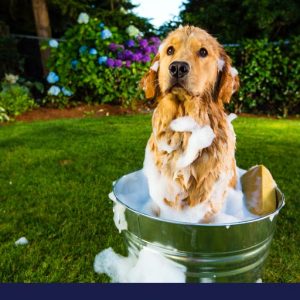
That puppy smell doesn’t last forever and even puppies need baths sooner or later. So do adolescent, adult and senior dogs.
WASHING YOUR DOG AT HOME
If you want to wash your dog at home, you’ll need to choose a shampoo that was specifically created for dogs. BUT: Not all dog shampoos work for all dogs. Apart from brands, there are different types of shampoos available. For example, you get general purpose shampoos as well as shampoos to help treat health conditions.
So, let’s take a look at some of your options and what they’re typically used for.
TYPES OF DOG SHAMPOOS
- Flea shampoo: for the treatment and/or prevention of fleas
- Puppy shampoo: milder products better suited to young dogs
- Aloe vera shampoo: helps cool and soothe irritated or sensitive skin
- Medicated shampoo: prescribed to treat specific (usually skin) conditions
- Regular shampoo: a quality, general purpose dog shampoo works for many dogs
- Black shampoo: created for dogs with dark coats to enhance colour and promote shine
- Hypoallergenic shampoo: a mild dog shampoo for sensitive skin to prevent allergies, irritation or other skin issues
IMPORTANT
Never use human shampoos on dogs as they can have very harmful effects.
Dogs have different grooming needs. So, for hygiene and safety reasons, ask your veterinarian how frequently your dog should be bathed.
Before sending your dog to professional groomers, make sure they use appropriate products (especially if your dog needs hypoallergenic or medicated shampoo).
MEDICATED SHAMPOOS
There are different types of medicated shampoos for different issues.
Examples include:
- Antibacterial shampoo: for bacterial pyodermas
- Antifungal shampoo: for Malassezia dermatitis (abnormal overgrowth of yeast)
- Benzoyl peroxide shampoo: for relief from mange, dermatitis, canine and feline acne and more
- Antiseptic shampoo: for nonspecific superficial dermatoses (skin disease); can help remove scales, crusts and odour-causing debris
Related Articles


TOOLKITS & GUIDES
TRENDING
SIGN UP and Start Receiving
Our Monthly Newsletter,
The Chronicles
How to Make Your Own Dog Shampoo
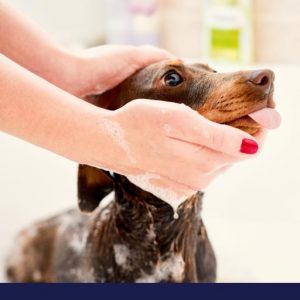
Making your own dog shampoo is easier than you might think. In fact, you may even have most of the ingredients already!
REASONS WHY PEOPLE MAKE THEIR OWN DOG SHAMPOOS
- To save money
- To ensure natural ingredients are used
- They simply enjoy making their own products
WHY CAN’T I USE HUMAN SHAMPOO ON MY DOG
Humans and dogs have different pH levels. Our shampoos can irritate their skin, or worse.
HOW TO MAKE YOUR OWN DOG SHAMPOO AT HOME
Here are a few DIY dog shampoo recipes.
REMEMBER: ALWAYS KEEP THE SOLUTION AWAY FROM YOUR DOG’S EYES
Related Articles


TOOLKITS & GUIDES
TRENDING
SIGN UP and Start Receiving
Our Monthly Newsletter,
The Chronicles
TOOLKITS & GUIDES
TRENDING
SIGN UP and Start Receiving
Our Monthly Newsletter,
The Chronicles
TRENDING
SIGN UP and Start Receiving
Our Monthly Newsletter,
The Chronicles
Removing Urine Smells
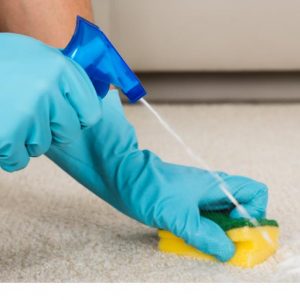
Struggling with cat or dog urine stains and odours?
We feel for you! Luckily we’ve found some tips and tricks to help you deal with fresh or older stains and ‘stinks’.
METHOD 1: How to Remove Fresh/Benign Urine Stains
- Grab napkins, paper towels or old towels to soak up the majority. Blot until damp.
- Place new rags/paper towels over the area and cover with newspaper. Walk around on it for a minute to bring up more moisture.
- Leave the wet towels where you would like your pet to do his/her business (outside, litter box, etc.).
- Get clean, cool water to rinse the area. Do it a few times and remove excess water each time.
- Alternatively, spray pet stain remover on the area.
- Fill a spray bottle with a white vinegar solution, spray area and clean with a scrub brush. After a while, go over area with a wet vacuum or steam cleaner. (Never start with vinegar.)
- Cover area with baking soda or cornstarch to neutralise the smell. Go over it with a scrub brush. Leave for 24 hours then vacuum remaining product. For bad stains, add water to the baking soda or cornstarch to create a paste before applying.
METHOD 2: How to Remove Dried or Persistent Stains
- If necessary, find dried urine stains under the ultraviolet light of a black light and outline with chalk.
- Don’t steam or use hot water. Use lukewarm water to wet vacuum the area. (If you don’t have one, ask a friend/rent one.)
- For Odour: Mix peroxide (235 ml), baking soda (3 Tbsp) and dish detergent (2 to 3 drops) in a spray bottle. Spray on the stain and work in with a brush or sponge. Leave for 10 to 20 minutes.
- Use a pet stain remover.
- For Stain: Start with a cool ammonia water solution before trying the spray (no. 3). Mix 2 Tbsps of ammonia per one cup water in a spray bottle and spritz the whole area.
- Next: brush. Then wait 45 min. Now try the peroxide solution above.
- Use a wet vacuum and stain shampoo.
- Rinse area again if necessary.